Skip to content
Are you facing inconsistent temperatures in your food warmer? Is your food not staying hot enough? It might be time to think about the heating element.
A food warmer heating element is key to keeping food at safe and appetizing temperatures. Choosing the correct one can mean the difference between happy customers and wasted food. You should focus on wattage, voltage, and size to make sure it fits your food warmer model.
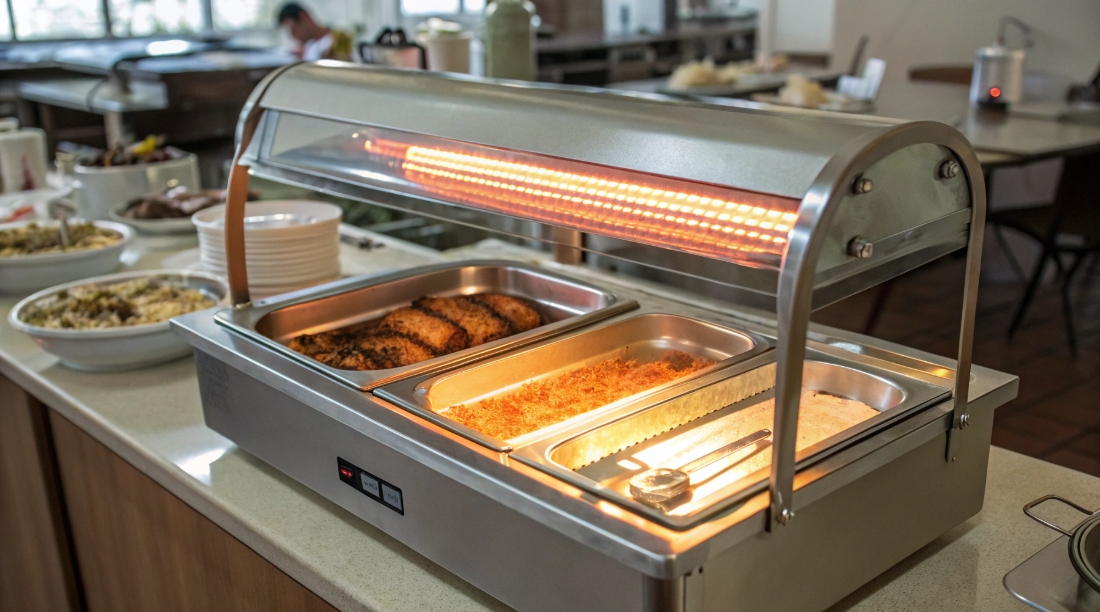
Let’s explore the world of food warmer heating elements, and I’ll share some of my knowledge as the owner of ELEKHEAT. We’ve been making these parts since 1997, so I’ve seen firsthand what works and what doesn’t.
How to Replace a Food Warmer Heating Element: Step-by-Step Guide?
Is your food warmer not heating up properly? Are you seeing signs of wear and tear on the existing element? Don’t worry, replacing it can be a simple process.
Replacing a food warmer heating element involves unplugging the unit, accessing the element, disconnecting the wires, and installing the new element. Make sure the power is off. Match the new element’s specs to the old one. If you’re not comfortable with electrical work, get a qualified technician to do it.
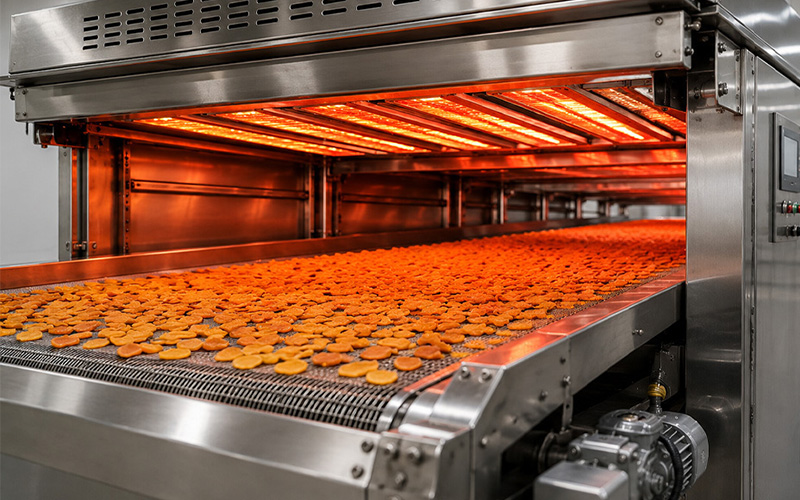
Let me walk you through the general steps. Remember, safety first!
What Tools Do You Need?
To replace a food warmer heating element, you’ll need a few basic tools.
| Tool | Purpose |
|---|---|
| Screwdrivers | To open the food warmer and detach the old heating element. |
| Pliers | To disconnect and connect wires safely. |
| Wire Strippers | To prepare the wires for connection to the new heating element. |
| Multimeter | To test the electrical continuity and ensure the new element is working correctly. |
| Safety Gloves | To protect your hands from electrical shock and sharp edges. |
| Voltage Tester | To confirm that the power is off before starting any work. |
Step-by-Step Instructions
- Safety First: Turn off and unplug the food warmer.
- Access the Heating Element: Open the food warmer and find the heating element compartment. Usually, it’s at the bottom or side.
- Disconnect the Old Element: Use a screwdriver to detach any covers or brackets holding the element in place. Use pliers to carefully disconnect the wires from the old element. Remember or label where each wire goes!
- Install the New Element: Put the new heating element in place. Connect the wires according to your labels or the wiring diagram. Make sure the connections are secure.
- Test the Connection: Before closing everything up, use a multimeter to test the continuity of the new element.
- Reassemble and Test: Put the covers and brackets back on. Plug in the food warmer and turn it on to test if the new element is heating properly. Watch the temperature to make sure it’s consistent.
Replacing a heating element isn’t too hard if you’re careful. But, electricity can be dangerous, so if you don’t know what you’re doing, get help from a professional. This will save you time and avoid potential safety hazards. At ELEKHEAT, we always tell our customers to put safety first when dealing with electrical components.
Top 5 Compatible Heating Elements for Commercial Food Warmers in 2024?
Are you looking for the best heating elements for your commercial food warmer? Do you want something that lasts, heats evenly, and is energy-efficient? In the commercial kitchen equipment, finding the right heating element can improve your food quality and save on energy bills.
The best heating elements for commercial food warmers in 2024 include tubular heaters, ceramic heaters, and finned strip heaters. These are known for their durability, even heat distribution, and energy efficiency. These options will provide reliable performance and maintain consistent temperatures for food safety and quality.
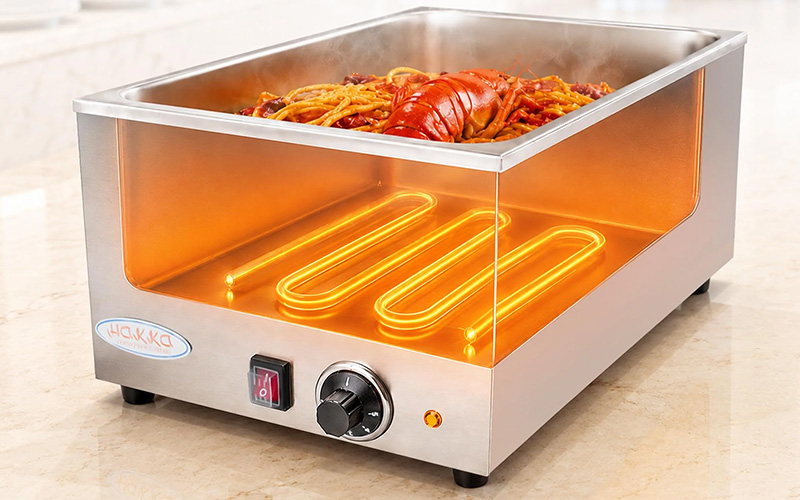
Let’s look at the top contenders and what makes them stand out.
What to Consider When Choosing
| Factor | Description |
|---|---|
| Wattage | Higher wattage heats faster, but consumes more energy. Choose based on the food warmer’s capacity and requirements. |
| Voltage | Make sure the voltage matches your electrical system (usually 120V or 240V in commercial kitchens). |
| Material | Stainless steel is durable and corrosion-resistant. Incoloy is better for high-temperature applications. |
| Size and Shape | The element should fit perfectly in your food warmer. Measure the old element before buying a new one. |
| Temperature Control | Some elements have built-in thermostats for precise temperature management. |
| Energy Efficiency | Look for elements with good insulation and efficient heat transfer to save on energy costs. |
Top Heating Elements
- Tubular Heaters: These are versatile and can be shaped to fit different food warmer designs. They provide even heat and are durable.
- Ceramic Heaters: Ceramic heaters offer excellent heat distribution and are energy-efficient. They’re great for maintaining consistent temperatures.
- Finned Strip Heaters: These are designed with fins to increase the surface area, improving heat transfer. Ideal for larger food warmers.
- Silicone Rubber Heaters: Flexible and can be wrapped around different shapes. Good for irregular surfaces and precise heating needs.
- Cartridge Heaters: Compact and provide high heat output. Used in specific applications where space is limited.
When picking a heating element, think about your food warmer’s size, how much heat you need, and how energy-efficient you want it to be. At ELEKHEAT, we offer all these types, and we can help you find the perfect match for your needs. A good heating element will keep your food at the right temperature, making your customers happy and reducing waste.
Conclusion
Choosing the right food warmer heating element is vital for efficiency and food safety. Whether replacing an old one or upgrading your equipment, focus on compatibility, durability, and energy efficiency.