 Skip to content
Heating Elements for Air & Gas Heating Applications
Reliable Electric Heating Solutions for Industrial Airflow and Process Gas Heating Systems.
Our heating elements are widely used in industrial air heating systems, gas heating equipment, drying processes, and HVAC applications. Designed for efficient heat transfer and long service life.
Heating Elements for Air & Gas Heating Applications
Electric heating elements are widely used to heat air and industrial gases in many industrial processes.
Typical applications include:
- HVAC air heating systems
- Industrial drying equipment
- Process gas heating
- Laboratory gas heating
- Gas preheating systems

Heating Elements for Different Gas Applications
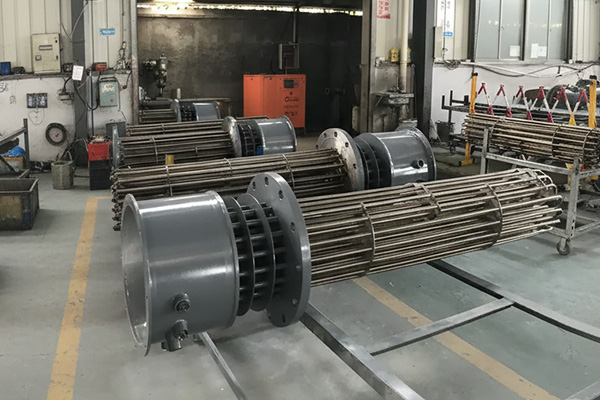
Air Heating
Air heating elements are used in air ducts, ovens, and ventilation systems to provide warm airflow for industrial processes.
Common equipment:
- air duct heaters
- industrial ovens
- drying systems
Nitrogen Gas Heating
Nitrogen heating is widely used in semiconductor manufacturing, chemical processing, and inert atmosphere systems.
Heating elements are designed to operate safely in nitrogen environments with precise temperature control.
Hydrogen Gas Heating
Hydrogen heating systems require special materials and safety considerations due to hydrogen’s flammability.
Heating elements used in hydrogen systems are typically made from high-temperature alloys with explosion-proof designs.
Natural Gas Preheating
Natural gas heating is used in energy systems and combustion equipment to improve combustion efficiency.
Electric heating elements can preheat natural gas before it enters burners or process systems.
Process Gas Heating
Many industrial processes require precise heating of gases such as:
- oxygen
- argon
- nitrogen
- compressed air
Electric heating elements provide stable and controllable heating performance.
Heating Elements Used for Gas and Air Heating
In industrial air and gas heating, the structure and design of different heating elements directly determine: heating efficiency, service life, safety, and energy consumption level. Selecting the right heating element is the key to stable system operation.
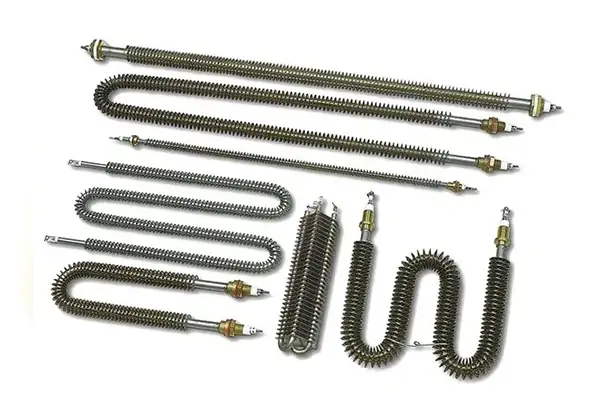
Finned Tubular Heating Elements(Best for Air Heating)
Finned tubular heating elements are the most widely used solution for air heating applications.
🔧Working Principle
By adding metal fins (usually aluminum or stainless steel) to the outside of a standard tubular heating element, the heat dissipation area is significantly increased, allowing heat to be transferred to the air or gas more efficiently.
Core advantages
Heat Transfer Area Increased by 5–10x
Significantly improves heat exchange efficiency compared to ordinary heating elements
Higher Efficiency in Forced Air Systems
Especially suitable for air ducts/HVAC systems
Lower Surface Temperature
Reduces surface temperature, preventing gas overheating or carbonization
Energy Saving
Achieves faster heating at the same power output
Typical applications
- Air duct heaters
- HVAC systems
- Industrial drying equipment
- Air circulation ovens
Tubular Heating Elements (Flexible & Durable Solution)
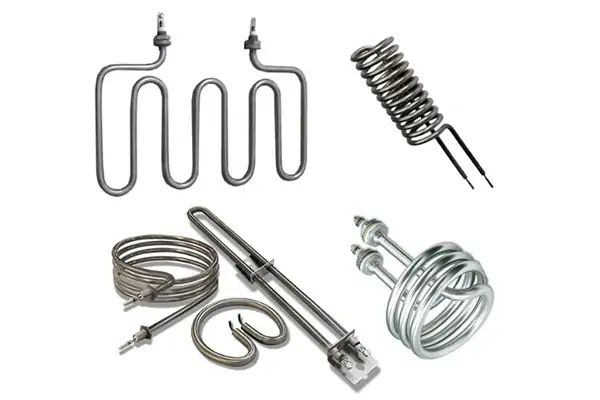
Tubular heating elements are the most versatile heating solution used in both air and gas heating systems.
🔧 Working Principle
The resistance wire is compressed inside a metal sheath (usually filled with magnesium oxide powder), and heat is transferred to the external environment through thermal conductivity.
Core advantages
Flexible Shape Design
Can be bent into U-shapes, W-shapes, or other complex structures
High Mechanical Strength
Suitable for industrial environments
Wide Temperature Range
Can be used for high-temperature gas heating
Cost-Effective Solution
High cost-performance ratio, suitable for general applications
Typical applications
- Industrial ovens
- Gas heating chambers
- Process air systems
- Equipment heaters
Air Duct Heaters (Integrated Heating System)
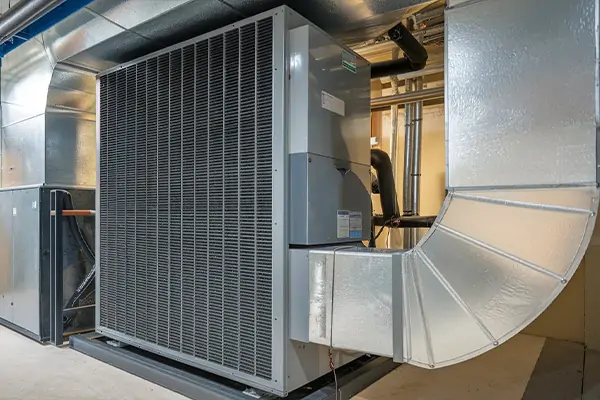
Air duct heaters are complete heating assemblies, not just heating elements.
🔧 System composition
Finned heating elements / Stainless steel frame / Temperature sensors (thermocouples) / Overheat protection / Control panel
Core advantages
Plug-and-Play Solution
Can be directly installed into duct systems
Uniform Air Heating
Ensures uniform airflow temperature
Built-in Safety Protection
Prevents overheating and dry burning
Custom Designed for Airflow
Customized to meet wind speed and temperature requirements
Typical applications
- HVAC duct systems
- Industrial ventilation
- Clean room air handling
- Drying air systems
Flange Heaters for Gas Heating Chambers
For enclosed gas heating systems, flange heaters are often used.
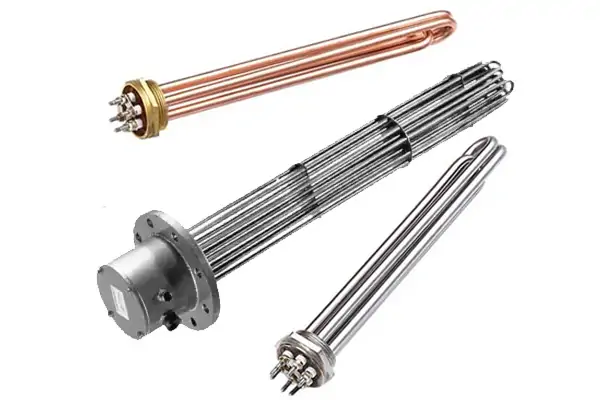
🔧 Operating Method
It is installed via a flange in a closed container or gas circulation system to heat the flowing gas.
Core advantages
High Power Output
Suitable for high-power gas heating
Sealed System Compatibility
Suitable for closed gas systems
Easy Installation & Maintenance
Flange connection for easy replacement
Typical applications
- Process gas heating systems
- Chemical industry
- Gas circulation equipment
How to Choose the Right Heating Element
| Application | Recommended Heater |
|---|---|
| Air duct heating | Finned tubular heater |
| Industrial oven | Tubular heater |
| HVAC system | Air duct heater |
| Process gas heating | Flange heater |
Technical Specifications
| Parameter | Range |
|---|---|
| Voltage | 110V – 600V |
| Power | 500W – 100kW |
| Sheath Material | Stainless Steel / Incoloy |
| Fin Material | Aluminum / Stainless Steel |
| Max Temperature | Up to 800°C |
| Heating Medium | Air / Nitrogen / Hydrogen / Gas |
Design Considerations for Gas Heating Elements
Gas heating systems require careful design to ensure efficiency and safety.
Important factors include:
- airflow velocity
- gas composition
- watt density
- heating temperature
- safety protection
Proper heater design helps prevent overheating and ensures stable process performance.

Custom Heating Elements for Gas Heating Systems
ur engineering team can design heating elements based on your gas heating requirements.
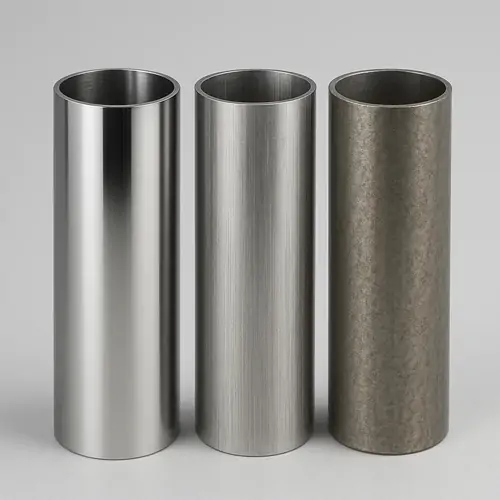
heating element material
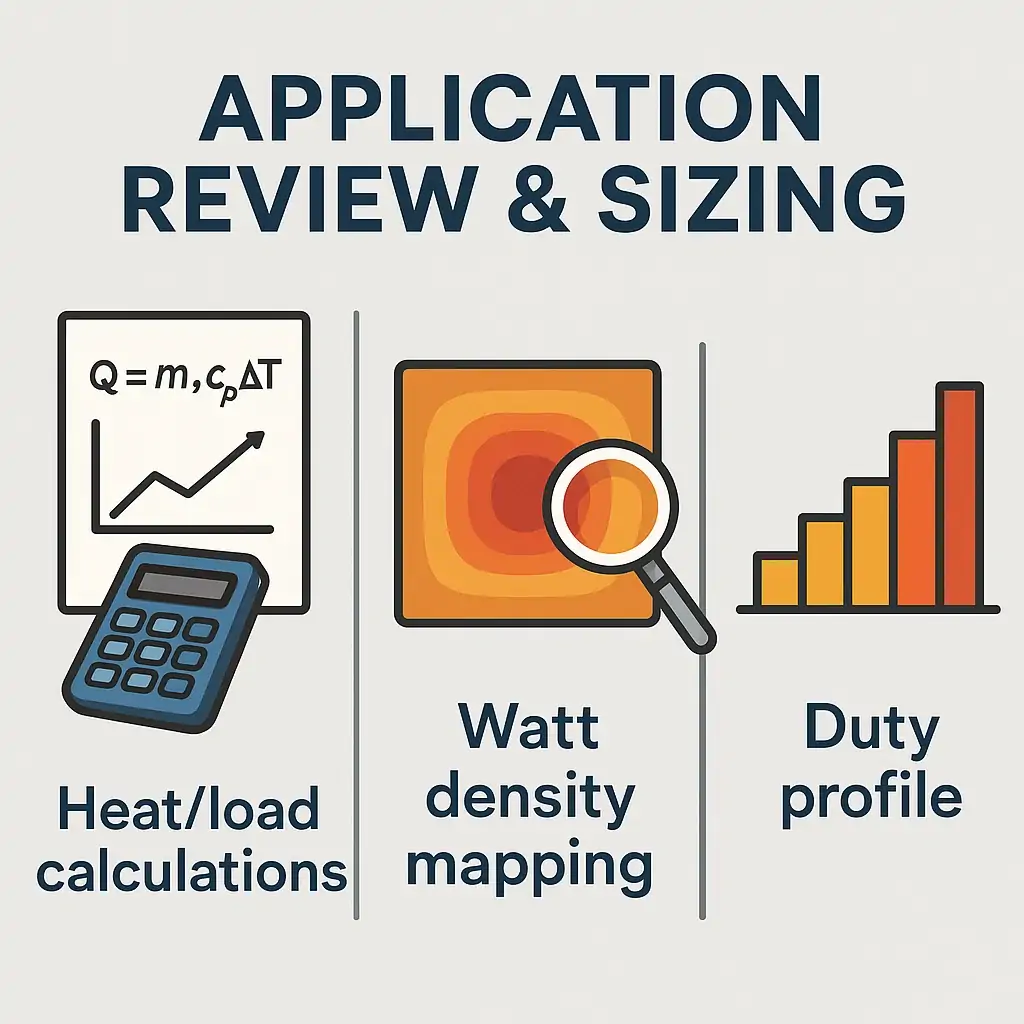
watt density
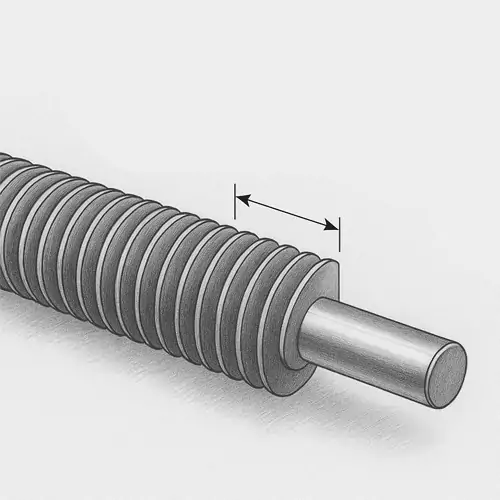
fin design

heater dimensions
mounting method

temperature control
Why Choose Our Heating Elements
Choosing the right heating element supplier is critical for the performance, safety, and long-term reliability of your air and gas heating systems. We focus not only on manufacturing, but on delivering complete heating solutions tailored to industrial applications.
Engineering-Driven Design Support
Our team works closely with engineers and buyers to design heating elements based on real application conditions, including airflow, gas type, temperature requirements, and installation environment.
- Application-based heater selection
- Watt density optimization
- Thermal efficiency improvement
- Customized structure design
High-Quality Materials for Harsh Environments
We use premium materials to ensure durability and stable performance under high temperatures and demanding industrial conditions.
- Stainless steel (304 / 316)
- Incoloy for high-temperature resistance
- Corrosion-resistant sheath options
- High-purity MgO insulation
Strict Quality Control System
Every heating element undergoes rigorous testing to ensure safety, performance, and consistency before delivery.
- 100% electrical testing
- Insulation resistance testing
- High-voltage testing
- Dimensional and visual inspection
Custom Manufacturing Capability
We specialize in customized heating elements for air and gas heating systems. Whether your application is standard or complex, we can provide a tailored solution.
- Custom voltage and power
- Flexible shapes and sizes
- Fin structure customization
- Mounting and connection options
FAQ About Gas and Air Heating Elements
Finned tubular heating elements are commonly used because they provide larger heat transfer surface areas.
Yes, electric heating elements are widely used for heating gases such as nitrogen, hydrogen, and compressed air.
Yes, materials such as stainless steel and Incoloy are often used to ensure durability and high-temperature resistance.
Yes, heating elements can be designed according to gas type, temperature requirements, and flow conditions.