 Skip to content
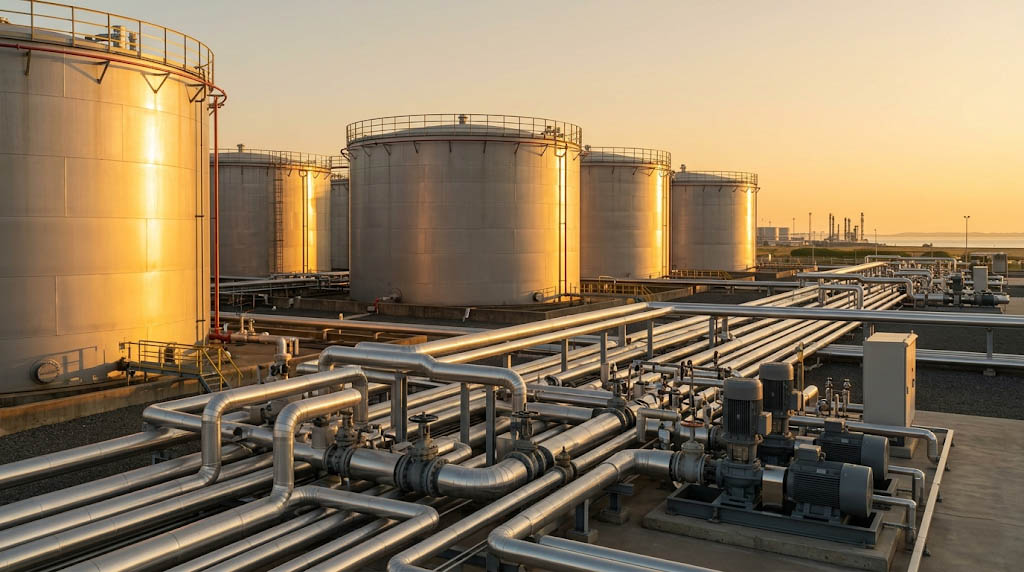
In industrial fluid management, pumping cold, thick oil is a guaranteed way to damage equipment, stall production lines, and skyrocket energy costs. The core of this challenge lies in a single, critical physical relationship: oil viscosity vs temp. Understanding how temperature manipulation affects fluid dynamics is essential for any engineer or facility manager dealing with heavy fuel oils, lubricants, or industrial liquids.
This comprehensive guide will break down the science behind oil viscosity, explore practical industrial heating applications like storage tank heating, and provide actionable advice on selecting the right heating elements to keep your operations running smoothly.
Understanding the Concept: Oil Viscosity vs Temp
Viscosity is a measure of a fluid's resistance to flow. In simple terms, it determines how "thick" or "thin" a liquid is.
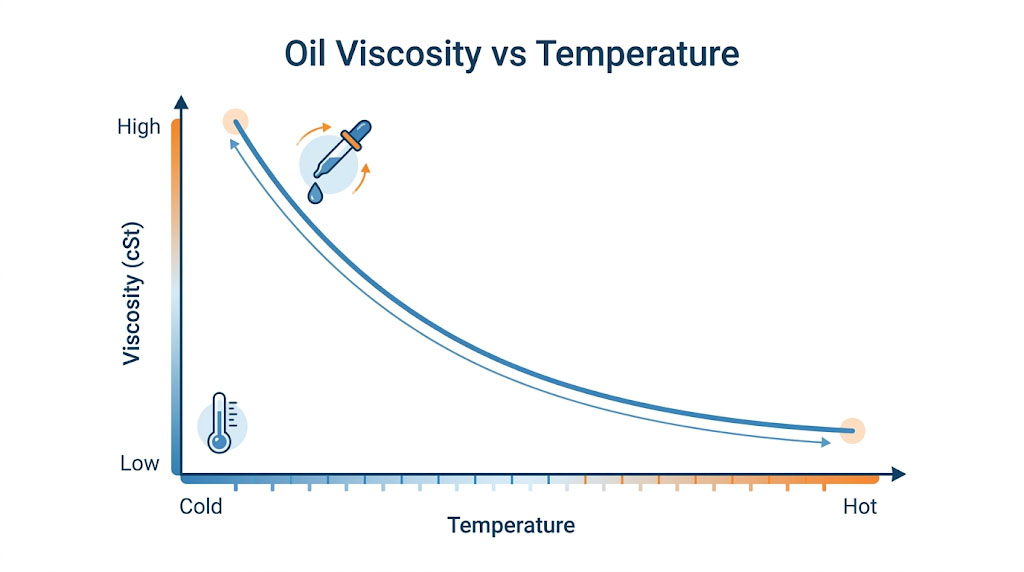
The relationship between oil viscosity vs temp is inversely proportional. As the temperature of the oil increases, its kinetic energy increases, causing the molecular bonds to loosen. This results in a significant decrease in viscosity, making the oil thinner and easier to pump. Conversely, when oil cools, it thickens, drastically increasing the pressure required to move it through pipes and valves.
In industrial environments, failing to manage this curve leads to:
- Pump Cavitation: Thick oil cannot flow into the pump fast enough, causing mechanical wear.
- Line Blockages: Highly viscous fluids can gel or solidify in pipelines.
- Poor Atomization: In combustion applications, cold oil will not atomize properly, leading to inefficient burning and excessive emissions.
Heating Solutions to Manage Viscosity: A Comparative Analysis
To manipulate the oil viscosity vs temp curve in your favor, industrial heating elements are deployed. Below is a comparison of the most common solutions used to maintain optimal oil flow.
| Heating Solution | Working Principle | Heating Efficiency | Ideal Application Scenario | Maintenance Requirement |
|---|---|---|---|---|
| Flanged Immersion Heaters | Direct contact heating; elements are submerged directly into the oil tank. | Very High (nearly 100% of heat transfers to the fluid) | Bulk storage tanks, large reservoirs. | Medium (Requires draining tank for element replacement). |
| Circulation (In-Line) Heaters | Oil flows through a highly insulated heating chamber with built-in elements. | High (consistent, continuous heating) | Pumping stations, pre-heating before burners or engines. | Low (Closed-loop system, easy to isolate and clean). |
| Heat Tracing Cables | External cables wrapped around pipes to maintain temperature. | Low to Medium (used for maintenance, not rapid heating) | Long piping runs, preventing freezing during transit. | Very Low (Installed externally, minimal wear). |
Core Application: Storage Tank Heating
Understanding the oil viscosity vs temp dynamic is most critical in Storage Tank Heating and industrial fluid dispensing.
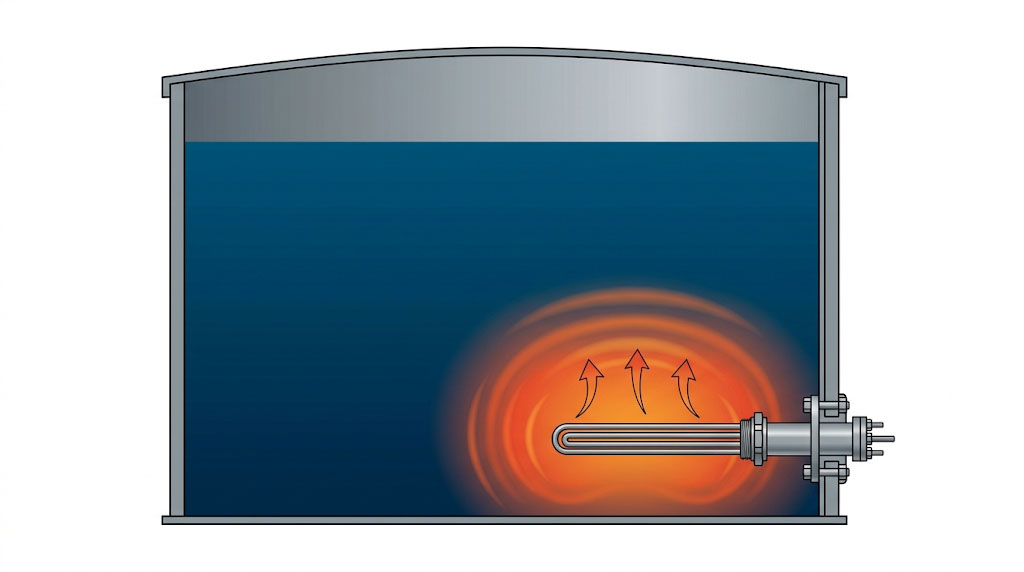
Whether you are storing heavy fuel oil (HFO), crude oil, motor lubricants, or vegetable oils, outdoor and underground storage tanks are highly susceptible to ambient temperature drops. Without proper heating intervention, the oil at the bottom of the tank becomes too viscous to be drawn out by suction pumps.
By installing custom-engineered immersion heaters, facilities can maintain the entire tank at a precise holding temperature. This ensures the oil remains in a fluid, pumpable state 24/7, preventing costly downtime and ensuring a steady flow rate to secondary processing units or injection lines.
Crucial Selection Factors for Oil Heaters
When specifying a heating element for industrial oil applications, purchasing managers and engineers must evaluate several critical factors to ensure safety and efficiency.
- Watt Density Selection: This is the most critical factor for oil heating. Oils are prone to coking (carbonization) if exposed to excessive surface temperatures. You must select a heater with a low watt density (typically under 15-20 W/in²) to prevent the oil from burning onto the element sheath.
- Sheath Material: Standard water heaters use copper, but oil heating requires robust materials to resist corrosion and handle sustained heat. Steel or Incoloy sheaths are the industry standard for petroleum-based fluids.
- Temperature Controls: Always pair your heating element with highly accurate digital thermostats and high-limit safety sensors to prevent overheating and thermal degradation of the oil.
- Physical Dimensions: The heater's immersion length and flange size must be customized to fit the dead zones of your specific storage tanks or circulation vessels.
Best Practices for Maintenance and Longevity
Industrial heaters are a significant investment. Follow these steps to maximize the lifespan of your equipment:
- Routine Visual Inspections: Drain the tank periodically to inspect the heating elements for carbon buildup (coking) or sludge accumulation.
- Clean the Elements: If buildup is detected, gently clean the sheaths using a wire brush and appropriate solvent to restore heat transfer efficiency.
- Test Thermocouples: Regularly calibrate temperature sensors to ensure the system is not overworking or exposing the oil to damaging temperatures.
- Check Terminal Enclosures: Ensure moisture, dust, or leaked oil has not compromised the electrical connections in the terminal box.
Frequently Asked Questions (FAQs)
How does temperature affect the viscosity of lubricating oil?
As temperature increases, the viscosity of lubricating oil decreases, making it flow more freely. Operating outside the manufacturer's recommended temperature range can cause the oil to become too thin (losing its protective lubricating film) or too thick (causing excess friction and drag).
What is the ideal pumping temperature for heavy fuel oil (HFO)?
While it varies by specific grade, HFO typically needs to be heated to between 30°C and 50°C (86°F - 122°F) just to be pumpable, and often much higher (up to 120°C) for proper atomization at the burner tip.
Why is watt density important when heating oil?
Watt density measures the heat output per square inch of the heater's surface. Because oil does not absorb heat as quickly as water, a high watt density will scorch the oil, creating a hard carbon layer on the heater that eventually causes the element to overheat and fail.
Can heating oil too much degrade its quality?
Yes. Thermal degradation occurs when oil is heated beyond its cracking temperature. This breaks down the chemical structure of the fluid, reducing its effectiveness and generating harmful sludge and vapors.
Upgrade Your Industrial Fluid Management with elekheat
Mastering the oil viscosity vs temp equation requires more than just theoretical knowledge; it requires precision-engineered heating solutions.
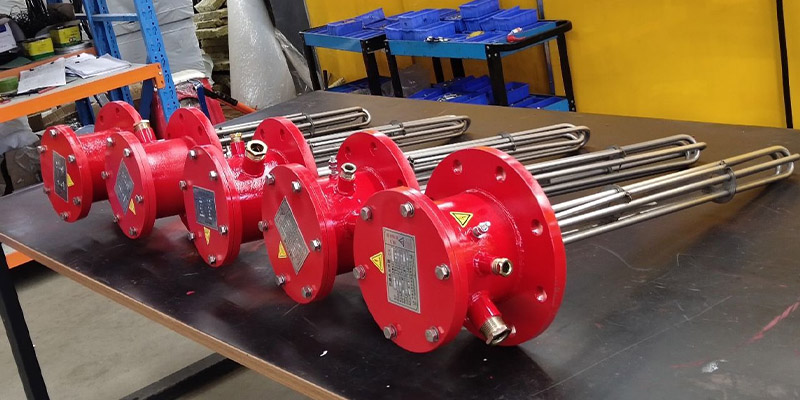
At elekheat, we are a professional manufacturer of industrial heating elements, specializing in custom flanged immersion heaters, circulation heaters, and intelligent control panels designed specifically for demanding oil heating applications. We understand the precise watt densities, materials, and safety standards required to keep your processes running without a hitch.
Don't let cold oil slow down your production. Contact the elekheat technical team today for a customized heating element quote, expert sizing assistance, and reliable B2B manufacturing support.