Skip to content
When designing or maintaining high-pressure industrial systems, material traceability is not just a regulatory requirement—it is a critical safety measure. For engineers and B2B procurement professionals sourcing industrial heating solutions, ensuring that every component meets rigorous standards is paramount. A common question that arises during system inspection and component sourcing is: how to find heat number on flanges?
This guide will explain exactly what a heat number is, where to locate it on your equipment, and why this traceability is absolutely crucial when specifying industrial flange heaters for heavy-duty applications.
What is a Heat Number on a Flange?
A heat number is an alphanumeric identification code stamped onto a forged metal component, such as a pipe flange. It serves as a direct link between the physical flange and its corresponding Mill Test Report (MTR) or Material Test Certificate (MTC).
The "heat" refers to the specific batch of molten steel from which the flange was forged. By tracing this number, engineers can verify the exact chemical composition, physical properties, and manufacturing processes of the steel. For highly demanding environments—such as high-temperature process heating—the heat number guarantees that the material can safely withstand the specified thermal and pressure loads.
How to Find the Heat Number on a Flange
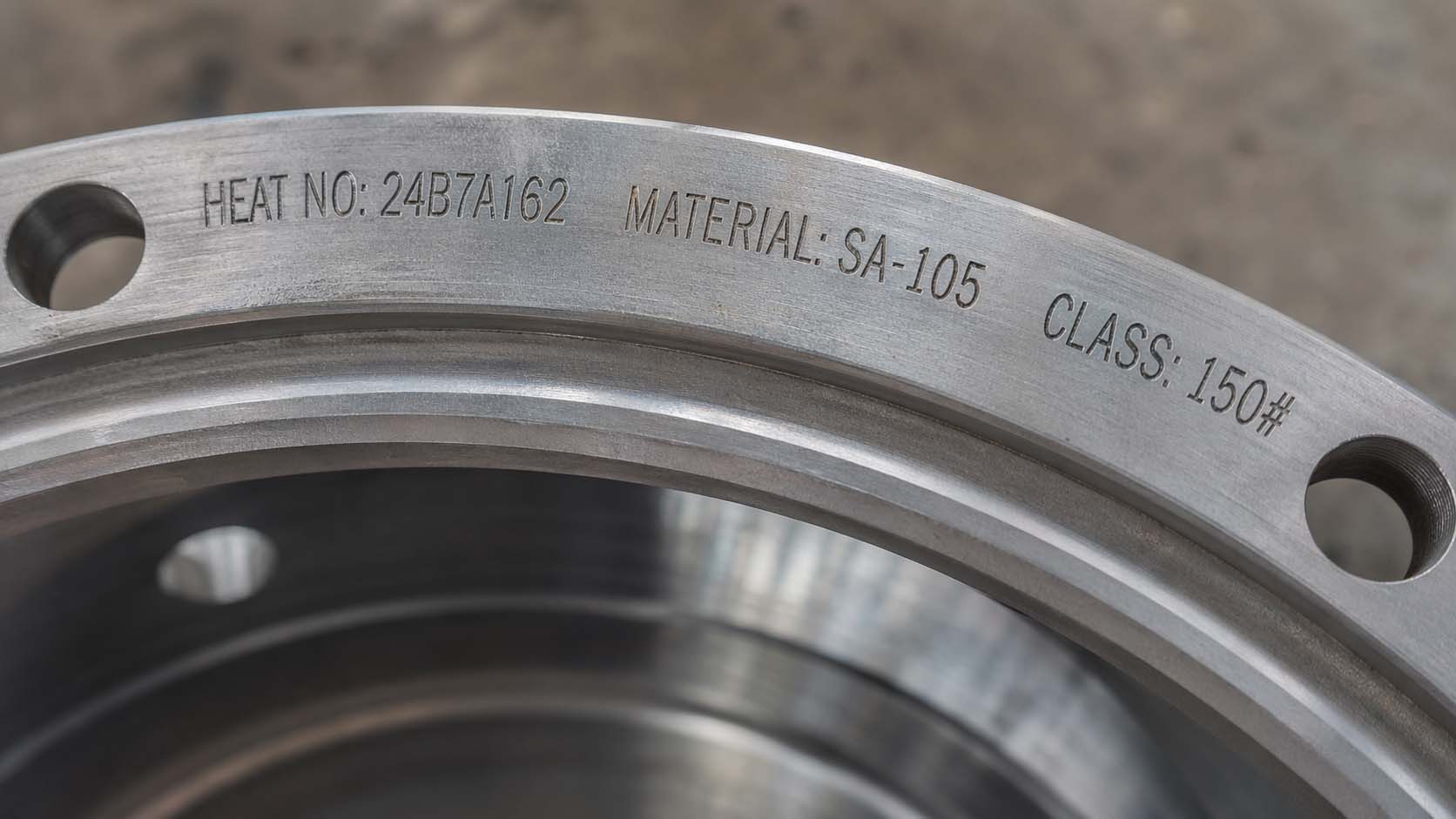
Locating the heat number is generally straightforward if you know where to look. Manufacturers follow strict stamping standards (such as ASME B16.5) to ensure vital information remains legible.
Here is a step-by-step guide to finding the heat number:
- Check the Outer Edge (Rim): The most common location for flange markings is the outside diameter (OD) or the rim of the flange.
- Clean the Surface: In active industrial environments, flanges gather dirt, rust, or insulation residue. Use a wire brush or rag to clean the rim carefully without degrading the stamp.
- Identify the Marking Sequence: The stamp usually contains a sequence of vital information. You will typically see:
- Manufacturer's Logo/Name
- Nominal Pipe Size (NPS) (e.g., 2")
- Pressure Class Rating (e.g., 150#, 300#)
- Material Grade (e.g., SA105, SS316L)
- The Heat Number: This is usually a 4 to 8 digit alphanumeric code directly following or positioned near the material grade.
- Cross-Reference with the MTR: Once you locate this code, you can request the MTR from your supplier to verify the material's mechanical and chemical properties.
Certified Traceable Flanges vs. Generic Flanges
When procuring flange immersion heaters, the quality of the flange itself is just as important as the heating elements welded to it. Below is a comparison between traceable, certified flanges (which possess clear heat numbers) and non-traceable alternatives.
| Comparison Dimension | Certified Flanges (With Heat Number) | Generic/Unmarked Flanges |
|---|---|---|
| Material Verification | 100% Traceable to the original steel mill via MTR. | Unknown chemical composition; risk of impurities. |
| Safety & Compliance | Meets ASME, ANSI, PED, and DIN standards. | Fails compliance audits; high risk of catastrophic failure. |
| Pressure Tolerance | Guaranteed to perform at stated Class (e.g., Class 300). | Unpredictable under high pressure and thermal cycling. |
| Best Used For | Industrial Liquid and Gas Heating, high-pressure vessels. | Non-critical, low-pressure, or temporary structural applications. |
| Long-Term Cost | Higher upfront, but zero compliance fines and lower maintenance costs. | Cheap initially, but high risk of costly system downtime. |
Core Application: Flange Heaters in Industrial Liquid & Gas Heating
Why does elekheat care deeply about flange heat numbers? Because our core expertise lies in manufacturing industrial flange heaters.
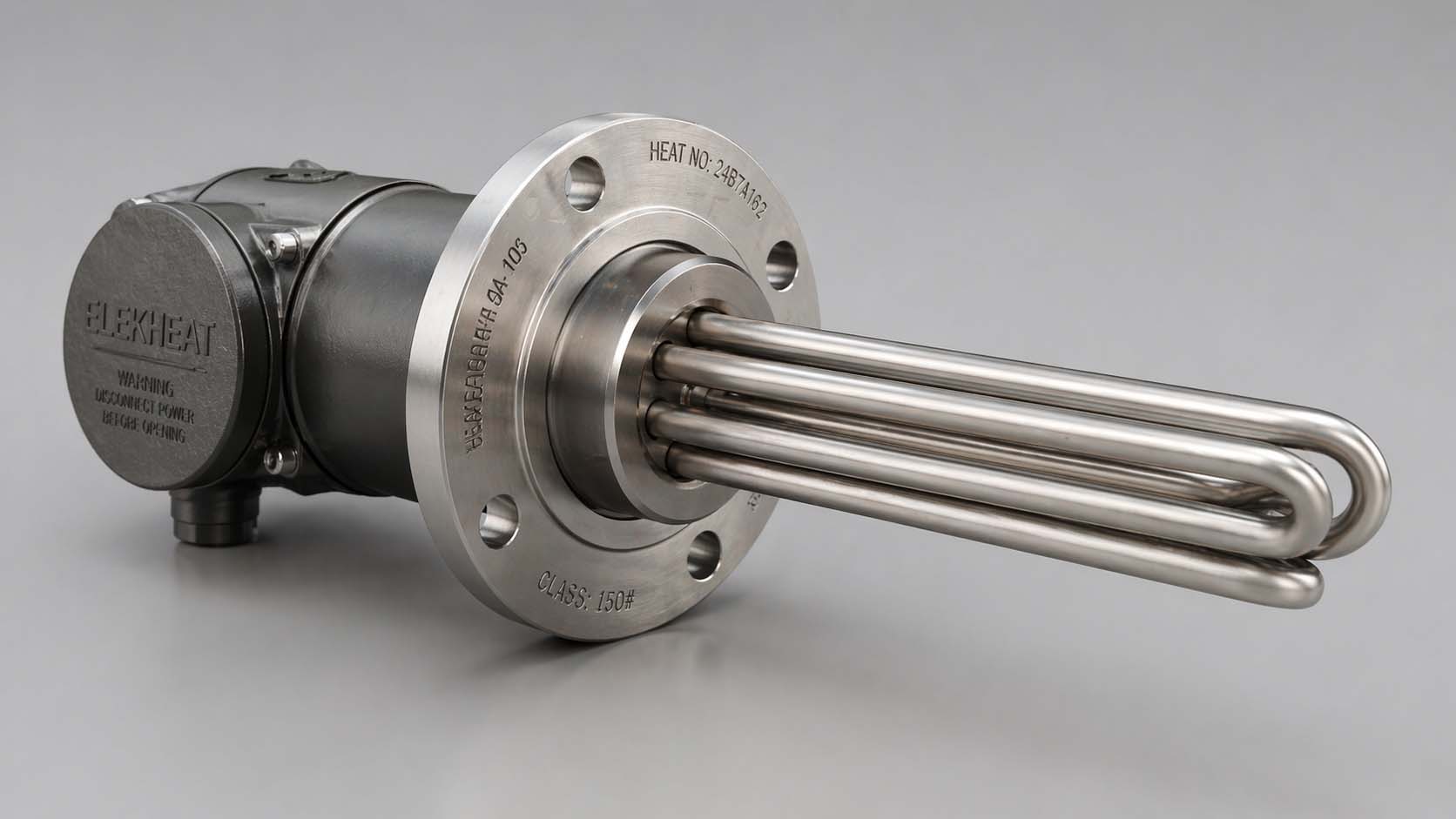
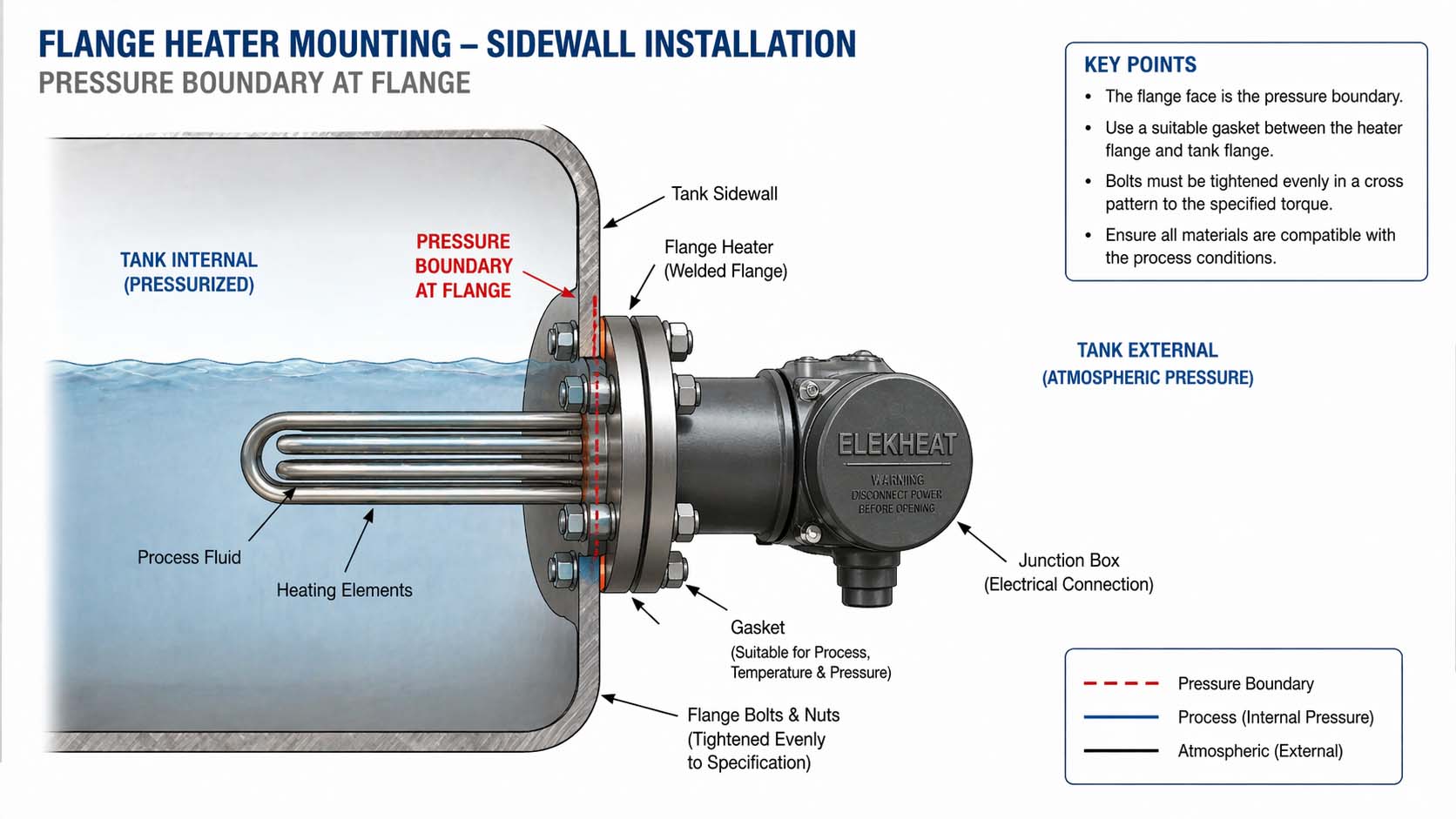
In Industrial Liquid and Gas Heating applications—such as heating natural gas, crude oil, or chemical solvents—the heating elements are welded directly to a heavy-duty flange. This flange is then bolted to a matching nozzle on a storage tank or pressure vessel.
- High-Pressure Gas Heating: When heating pressurized gases, the flange acts as the primary pressure boundary. A certified flange with a traceable heat number ensures zero risk of stress-corrosion cracking or gas leaks.
- Storage Tank Heating: For large-volume liquid heating, the flange must support the massive weight of the tubular heating bundles while maintaining a perfect seal.
- Corrosive Environments: By verifying the heat number, engineers guarantee that the flange is indeed 316L Stainless Steel or Incoloy, preventing rapid degradation in corrosive chemical baths.
Purchasing Guide: Sourcing Reliable Flange Heaters
When looking for a B2B partner to supply flange heating elements, procurement teams and engineers must consider more than just the price. Keep these critical factors in mind:
- Material Traceability: Always demand MTRs for both the flange and the sheath materials of the heating elements. If a supplier cannot show you how to find the heat number on their flanges, walk away.
- Optimized Watt Density: The heat output must be precisely calculated based on the medium being heated. Water can handle a high watt density, whereas thick oils or gases require lower watt densities to prevent coking or element burnout.
- Flange Size and Rating Specifications: Ensure the heater's flange matches your existing system. Specify the correct ANSI Class (150 lb to 2500 lb) and dimensions to ensure a seamless drop-in installation.
- Custom Customization: Choose a manufacturer that can customize element lengths, baffle arrangements, and integrated thermocouple placements for precise temperature control.
Maintenance and Care for Flange Heaters
To ensure the longevity of both the flange and the heating elements, follow these standard B2B maintenance practices:
- Proper Torqueing: When installing, always use a star-pattern torquing sequence on the flange bolts to ensure an even seal and prevent gasket blowout.
- Routine Descaling: For liquid heating, routinely pull the flange heater out of the vessel to clean scale buildup off the tubular elements. Scale acts as an insulator, forcing the heater to work harder and drastically reducing its lifespan.
- Check the Flange Face: Inspect the raised face or flat face of the flange during maintenance. Any deep scratches or pitting on the sealing surface can lead to hazardous leaks.
- Monitor Terminal Enclosures: Ensure the electrical housing attached to the outside of the flange remains sealed against moisture and explosive gases (utilize NEMA 4 or NEMA 7 enclosures accordingly).
Frequently Asked Questions (FAQs)
1. What does MTR stand for in flanges?
MTR stands for Mill Test Report (sometimes called a Material Test Certificate). It is a quality assurance document generated by the steel mill that details the material's chemical makeup and physical properties, matching the specific heat number stamped on the flange.
2. Can a flange be used without a heat number?
In highly regulated industries (like petrochemical, oil & gas, and industrial process heating), using a flange without a heat number is strictly prohibited. It violates ASME/PED codes because the pressure and temperature limits cannot be safely verified.
3. How do heat numbers affect flange immersion heaters?
The flange is the structural foundation of a flange immersion heater. If the flange lacks a heat number and fails under pressure, the entire heating system—and the tank it is attached to—is compromised. Traceability ensures the heater is built for the application's specific pressure rating.
4. Do the tubular heating elements also have heat numbers?
Yes, high-quality manufacturers trace the heat numbers of the metal alloys (like Incoloy, Inconel, or Stainless Steel) used to create the outer sheath of the tubular heating elements, ensuring end-to-end quality control.
Upgrade Your Industrial Heating with elekheat
Understanding how to find heat numbers on flanges is just the first step in ensuring a safe and efficient industrial process. The next step is partnering with a manufacturer that refuses to compromise on quality and safety.
At elekheat, we specialize in designing and manufacturing high-performance flange heaters for complex Industrial Liquid and Gas Heating applications. We guarantee 100% material traceability, utilizing only certified flanges and premium heating alloys. Whether you need standard ANSI flange heaters or highly customized solutions for extreme environments, our engineering team is ready to deliver.
Don't risk your facility's safety on unverified components. Contact the elekheat engineering team today to get a customized quote and expert technical support for your next industrial heating project!